


Ready for a colour refresh but not sure which direction to take? The right hair colour can brighten your complexion, add dimension and give your entire look new energy. Whether you want a subtle change, a richer version of your current shade or a bold transformation, there are hair colour ideas for every starting shade and comfort level.
From glossy brunettes and warm copper tones to creamy blondes and vibrant, bright hair colours, use this guide to find inspiration for your next look. Once you have an idea in mind, Sally Beauty can help you find the hair colour and tools you need to bring it to life.
In this article

Meet the hair colour expert: Darlene Grullon-Johnson
Darlene Grullon-Johnson is a Sally Beauty Licensed Colourist on Demand with about 20 years of hairstyling experience. Her background includes working behind the chair, managing a salon and helping customers across the country navigate hair colour, products and realistic at-home results.
As a Licensed Colourist on Demand, Darlene helps customers make informed choices based on their hair history, current condition and colour goals.
"I love the Licensed Colourist On Demand role because it gives customers access to expert advice when they need a second opinion on colour, products, or how to approach their hair goals."
Natural hair colour ideas for a subtle refresh
You don't have to make a dramatic change to give your hair a fresh look. Natural hair colour ideas focus on enhancing your existing shade through added warmth, depth, shine or dimension.
A subtle change may also be easier to maintain, especially if you choose a shade close to your natural hair colour. Staying within one or two levels of your current colour can often provide a more predictable result when colouring at home.
Espresso Brown
Espresso brown is a deep, glossy brunette shade that gives hair a polished finish. It works especially well for anyone who wants to deepen an existing brown or black shade without adding obvious red or golden tones.
Because rich brunette shades can appear flat without dimension, consider using a gloss or strategically placed highlights to create movement.
Chocolate Brown
Chocolate brown combines rich brunette depth with soft warmth. It's a versatile choice for anyone looking for brown hair colour ideas that feel noticeable but still natural.
Warmer chocolate shades can bring out golden or olive undertones, while cooler chocolate browns may complement neutral and cooler undertones.
Caramel Brown
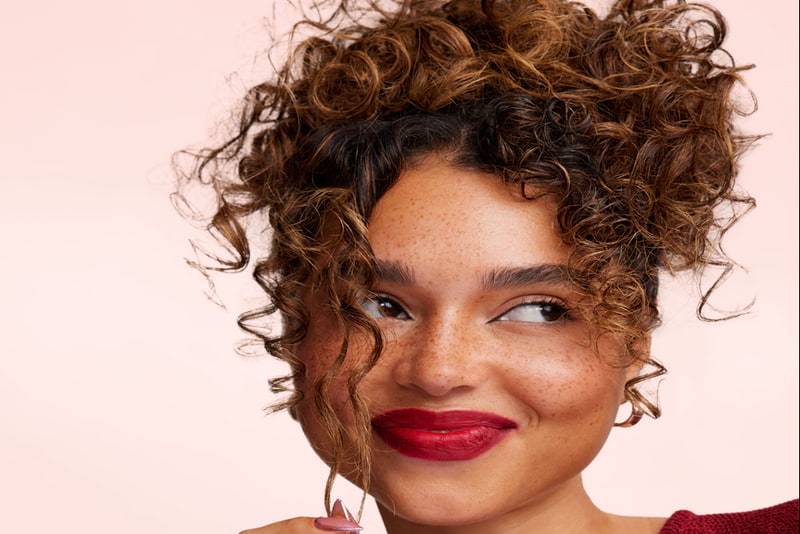
Caramel brown tones can warm up brunette hair without requiring a complete colour transformation. Try caramel highlights around the face, subtle balayage or an all-over light brown shade depending on your starting colour.
If your hair is naturally dark, noticeable caramel pieces may require lightening first. Always review the product instructions and perform a strand test before applying colour throughout your hair.
Soft Black
Soft black offers the richness of black hair with a slightly less intense finish than the deepest black shades. It can be a flattering option for brunettes who want more depth without creating an overly dramatic contrast.
Before choosing permanent black, think about whether you may want to go lighter in the future.
"I don't believe black hair colour has to be avoided at home, but customers should think it through first. Permanent black colour has a lot of pigment and can be very difficult to remove, whether it's box colour or professional colour."
— Sally Beauty Expert Darlene Grullon-Johnson
If you're still experimenting, consider trying a semi-permanent hair colour or dark brown shade first.
Blonde hair colour ideas from warm to cool
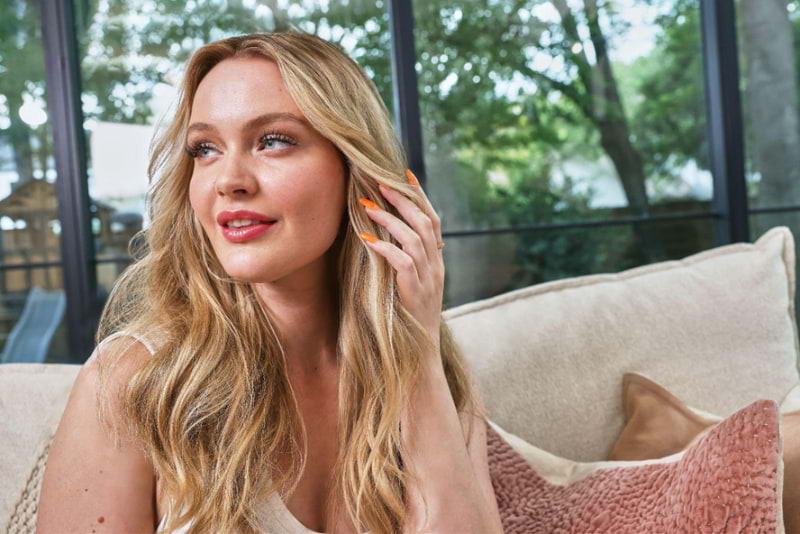
Blonde hair can range from warm honey and golden shades to cool ash and platinum tones. When exploring blonde hair colour ideas, consider your starting shade, undertone and the amount of upkeep you're comfortable with.
Warm and creamy blondes are especially popular for people who want brightness without an overly icy finish.
"Honey, caramel, golden blonde, and beige blonde shades are very popular right now. People are moving away from needing everything to be white blonde, silver blonde, or overly cool-toned."
— Sally Beauty Expert Darlene Grullon-Johnson
Honey Blonde
Honey blonde hair colour blends golden and warm amber tones for a dimensional, sun-kissed finish. It's a great choice for anyone who wants a blonde shade that feels soft and warm rather than icy.
Brunettes can incorporate honey tones through highlights or face-framing pieces without committing to an all-over blonde transformation.
Ash Blonde
Ash blonde uses cool, smoky undertones to reduce the appearance of excess yellow or orange warmth. The shade can range from dark ash blonde to pale, icy blonde depending on your starting level.
Maintaining a cool blonde may require toner and colour-care products that help address unwanted brassiness between colour applications.
Strawberry blonde
Strawberry blonde sits between blonde and light copper, combining golden brightness with soft red warmth. It can be a subtle way to try a red shade without moving into deeper auburn or burgundy territory.
Platinum Blonde
Platinum blonde creates a bright, high-impact look. It also requires more preparation and maintenance than many other blonde shades.
Going from dark hair to platinum is often a gradual process, especially when permanent dark colour is already present.
"If someone has been colouring their hair dark and wants to go platinum, they need to understand that it can take time. If you use a permanent black colour, it may be a while before you can safely get to a very light blonde."
— Sally Beauty Expert Darlene Grullon-Johnson
Don't try to make a dramatic jump in one application if it could compromise the health of your hair.
Red and Copper hair colour ideas
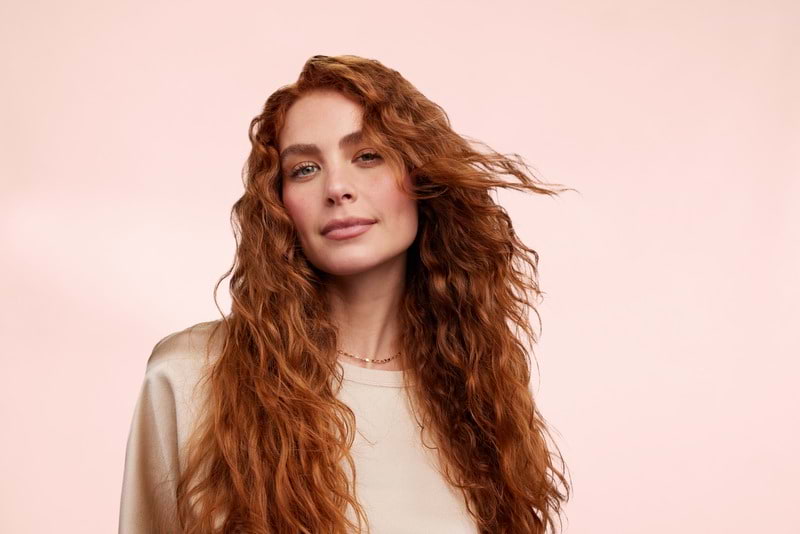
Red hair colour ideas can range from natural-looking copper to deep burgundy. Because red shades are available in both warm and cool variations, there's room to customize the look based on your preferences.
Classic Copper
Copper combines orange, red and golden tones for a bright, warm result. Choose a lighter copper for a softer look or a deeper copper if you want more richness.
Cowboy copper is another option that blends copper warmth with brunette depth for a richer, more dimensional result.
Auburn
Auburn blends brunette depth with red warmth. It's an approachable option for brunettes who want to try red without completely leaving the brown colour family.
Light auburn shades tend to emphasize copper and golden tones, while deeper auburn shades create a richer red-brown result.
Burgundy
Burgundy combines red with violet or wine-inspired undertones. It creates a deeper, cooler result than traditional copper and can be especially striking on brunette hair.
Depending on your starting shade, burgundy may appear as a subtle red-violet tint in lower light and become more noticeable in direct light.
Cherry Red and Cherry Cola
Cherry red is brighter and more playful than natural auburn or copper. It can range from a rich cherry-cola shade to a vivid primary red.
"For fall, all variations of cherry cola are still very popular, along with cowboy copper. Some people prefer more copper, some prefer more red, and cherry reds continue to be popular for the season."
— Sally Beauty Expert Darlene Grullon-Johnson
For a lower-commitment option, test the look with a temporary or semi-permanent colour before choosing a permanent formula.
Bright and vivid hair colour ideas
Vivid hair colour gives you the freedom to experiment with shades that don't occur naturally, including pink, purple, blue and green hair colour. You can commit to a full head of colour or use vivid shades as smaller accents.
The final result will depend heavily on your starting colour. Bright and pastel shades typically appear most vibrant on pre-lightened hair, while deeper jewel tones may create a more subtle tint on darker hair.
Pink hair
Pink hair colours can range from soft rose and blush to hot pink and magenta. Pastel pink creates a lighter, softer look, while saturated pink delivers a bolder result.
Try pink on the ends, around the face or underneath the top layers if you don't want an all-over change.
Purple hair
Lavender, violet and deep plum offer very different ways to wear purple hair colours. Lavender usually requires a light blonde base, while darker violet and plum shades may show more readily on brunette hair.

Blue hair
Blue hair can range from icy pastel blue to cobalt, teal and midnight blue hair colour. Darker blue shades can create a subtle jewel-toned effect on dark hair, although results will vary based on the starting shade and formula.
Rainbow hair
Rainbow hair combines several vivid colours in one look. The colours may be placed in panels, blended into a gradient or hidden underneath the top layers of hair.
Because multiple vivid colours require careful placement, plan your sections before applying colour and avoid overlapping shades unless you want them to blend.
Vivid colour also requires the right maintenance routine.
"For vivid colours, avoid hot water and use a true sulfate-free shampoo and conditioner. Colour-depositing masks can help with maintenance, but cooler water and the right wash routine make a big difference."
— Sally Beauty Expert Darlene Grullon-Johnson
Creative hair dye placement ideas
Choosing a colour is only part of the decision. Placement can completely change how subtle or dramatic the finished look feels.
Money piece
A money piece uses contrasting colour around the face. Blonde is a popular choice on brunette hair, but vivid shades can create an even bolder frame.
Starting with face-framing colour can also be more manageable than attempting highlights throughout the entire head.
"If someone wants a major change, sometimes it's easier to start with face-framing highlights instead of trying to do a full head of highlights at home, especially if they don't have help."
— Sally Beauty Expert Darlene Grullon-Johnson
At-home difficulty: Intermediate. Applying colour to pre-lightened pieces is more manageable at home.
Peekaboo colour
Peekaboo colour is applied underneath the top layers of hair. The colour stays partially hidden when the hair is down and becomes more visible when the hair moves or is styled up.
This can be a good way to try bright hair colour while keeping the overall look more subtle.
At-home difficulty: Beginner to intermediate. Deposit-only colour on pre-lightened hair is one of the more manageable options. Lightening dark hair first can make the process more complex.
Two-tone hair
Two-tone hair combines two distinct shades. You might divide the hair down the middle, colour the top and bottom differently or pair a natural shade with a vivid accent.
Choose colours with enough contrast to make the placement visible. For a softer result, select two shades within the same colour family.
At-home difficulty: Intermediate to advanced. Clean sectioning is essential to prevent the colours from overlapping or bleeding together. Leave major lightening or complicated placement to a professional.
Ombré
Ombré gradually transitions from a darker colour at the roots to a lighter or brighter shade toward the ends. The blended placement can make regrowth less noticeable than an all-over colour change.
At-home difficulty: Advanced. Creating an even transition without a harsh line can be difficult, especially when bleach is required. Professional application is recommended for a dramatic change.
Balayage-inspired highlights
Balayage-inspired placement uses lighter pieces to create a natural-looking dimension. At-home highlighting kits can help achieve a softer change, but careful sectioning is essential for balanced placement.
At-home difficulty: Advanced. Subtle face-framing pieces may be manageable for experienced DIY colourists, but full balayage placement and significant lightening are best left to a professional.
How to choose the right hair colour
The best hair colour is one that fits your starting shade, desired result and maintenance routine. Before choosing a product, consider:
- Your natural hair colour and current level
- Whether your hair has been previously coloured
- Your warm, cool or neutral undertones
- How frequently you want to refresh the colour
- Whether you want temporary, semi-permanent, demi-permanent or permanent colour
- Whether your desired shade requires pre-lightening
- How much time you can dedicate to maintenance
Your desired level of commitment can help determine which type of colour to choose.
"If a customer wants a deposit without a long-term commitment, I usually recommend a semi, demi, or temporary rinse. If they want something longer-term and need lift, then permanent colour is usually the better option."
— Sally Beauty Expert Darlene Grullon-Johnson
What to know before colouring your hair at home
Once you've chosen your favourite hair colour idea, take time to prepare before applying the product.
Always read the instructions included with your chosen colour. Complete the recommended allergy alert test and perform a strand test before colouring your entire head. A strand test can help you preview the result and determine how your hair responds to the formula.
"My number one recommendation is strand test, strand test, strand test. It helps avoid surprises and gives you a better idea of how the hair will react before committing to the full process."
— Sally Beauty Expert Darlene Grullon-Johnson
Gather all necessary supplies before beginning, including gloves, hair clips and hair colouring tools, such as an applicator brush, and a mixing bowl when required.
Find your next hair colour at Sally Beauty
Whether you're drawn to glossy brunette, warm copper, dimensional blonde or vivid pink, the right colour can help you express your style in a completely new way.
Explore Sally Beauty's selection of professional-quality hair colour to find permanent, demi-permanent, semi-permanent and temporary options for your next look. Sally Beauty's colour tools and expert resources can help you move from inspiration to application with greater confidence.
Frequently asked questions about hair colour ideas
How do I choose a hair colour that suits me?
Consider your current colour, skin undertone, eye colour and desired level of maintenance. Decide whether you want a subtle enhancement or a noticeable transformation.
What hair colour is easiest to maintain?
Colours close to your natural shade are generally easier to maintain because new growth creates less contrast. Dimensional colour, rooted looks and subtle highlights may also make regrowth less noticeable.
Can I try a new hair colour without making a permanent change?
Yes. Temporary, semi-permanent and demi-permanent hair colours allow you to experiment without immediately committing to permanent colour. Results and longevity vary, so always review the product description and instructions.
Do I need to bleach my hair before using a vivid colour?
It depends on your starting colour and desired result. Many bright or pastel shades appear most vibrant on pre-lightened hair. Deeper vivid colours may add a subtle tint to darker hair without lightening, but the result may be less noticeable.
What hair colour ideas work well for dark hair?
Dark hair can be enhanced with espresso, chocolate, burgundy, deep violet and blue-black shades. Caramel highlights, money pieces, peekaboo colour and ombré can add contrast, although lighter results may require pre-lightening.
How can I preview a hair colour before dyeing my hair?
Use a virtual hair colour tool to compare different shades with a photo or live camera. You should also perform a strand test with the actual product before completing an all-over application.

