


In this article
Did you know that one of the best ways to unlock lusher, fuller, shinier hair starts with your scalp? It’s true: Scalp care plays a key role in reaching your hair goals, whether it's combating dryness, soothing irritation or promoting growth. Because hair goals are life goals, we’re sharing expert tips and insights to help you create a nourished scalp environment.
“Your scalp is skin after all,” says Abbie Thompson, Sally Educator & Platform Artist. “Just as you would create a skincare routine to achieve specific benefits and address individual concerns, your scalp deserves similar attention.”
From understanding the importance of scalp care to implementing effective routines and exploring natural remedies, get ready to elevate your hair care game and embrace the power of a revitalized scalp.
What Does It Mean To Have a Healthy Scalp?
Much like a garden needs nutrient-rich soil for flowers to flourish, your scalp needs proper care to support strong, resilient hair follicle growth.
Excessive sun exposure, harsh chemical exposure, air pollutants like smoke, dust or pollen, stress, nutritional deficiencies and hormonal fluctuations can all contribute to a myriad of scalp issues. If you’ve noticed scalp dryness, oiliness, itchiness, dandruff and even hair loss, it could be a sign that you are experiencing unhealthy scalp conditions.
Characteristics Of A Healthy Scalp
- Balanced oil production: Neither excessively oily nor overly dry.
- Minimal flakiness: Absence of visible flakes or dandruff.
- Comfortable sensation: No itching, irritation or discomfort
- Hair growth: Consistent hair growth with minimal shedding.
- Even skin tone: Scalp skin appears uniform in colour and texture.
- Scalp elasticity: Skin feels supple and not tight or inflamed.
Signs You Could Benefit From Scalp Care
- Excessive oiliness: Greasy appearance and frequent need for washing.
- Flakiness: Presence of visible flakes or dandruff on the scalp and shoulders.
- Itching: Persistent itching or irritation, leading to discomfort.
- Hair loss: Noticeable increase in hair shedding or thinning.
- Redness or inflammation: Skin appears red, irritated or inflamed.
- Dryness: Tightness or dry patches on the scalp, sometimes accompanied by itchiness.
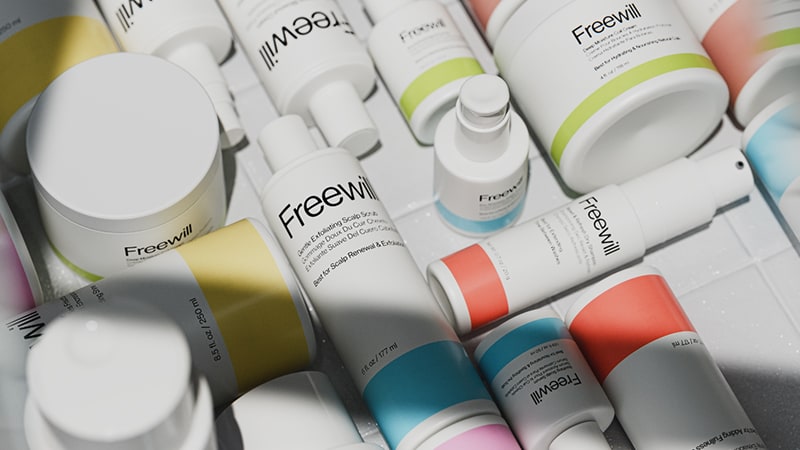
Building Your Go-To Scalp Care Routine
“Your best start is with the right nutrition,” says Thompson. “What you put into your body comes out through your skin and hair.” Next, she suggests creating a hair routine with key products like shampoo, conditioner and a styling aid. “Once your regimen is set, you can add products as needed like a leave-in treatment, scalp scrub or oil. And listen to your scalp, it will let you know if something is not working.”
Here are some more tips to help you care for your scalp.
-
1. First, understand your natural hair
Treating your scalp and hair begins with recognizing their unique characteristics and needs. Ask yourself these questions to create a foundation for your scalp care routine:
- What is your scalp’s natural environment? Oily, dry or a combination?
- Do you have textured, curly, wavy or straight hair? Is it thick or fine?
- Do you experience excess oiliness, dryness and irritation, redness, flakiness or another concern?
- Are you aiming to stimulate hair growth, boost volume or tame frizz?
- Which hair care products have worked best in the past, and which ones fell short?
- Are you okay with an elaborate hair care routine, or do you prefer a simple, low-maintenance approach?
-
2. Cleanse gently
Start by choosing a mild, sulfate-free shampoo specifically formulated for your scalp type. Massage the shampoo into your scalp using gentle, circular motions to remove dirt, excess oil and product buildup without stripping away natural oils. Rinse thoroughly with lukewarm (not hot) water to avoid drying out your scalp. If you have an oily scalp, avoid over-cleansing which could exacerbate oil production. A dry shampoo can help extend the time between washes.
-
3. Exfoliate
Incorporate a scalp scrub or exfoliating treatment into your routine once or twice a week to slough off dead skin cells and unclog hair follicles. Look for products containing ingredients like salicylic acid or tea tree oil, known for their antibacterial and exfoliating properties. But, if you have a skin condition, proceed with caution, suggests Thompson. “With conditions such as eczema or psoriasis, avoid scratchy scrubs. Seek medical guidance if the condition does not heal or gets worse.”
-
4. Hydrate
Follow up with a nourishing conditioner or scalp mask to replenish moisture and soothe the scalp. This is especially important for dry scalps. For an extra boost of hydration, consider using a leave-in scalp treatment or oil to seal in moisture and promote scalp health.
-
5. Massage Your Scalp
Massaging the scalp stimulates blood circulation, which helps deliver essential nutrients to the hair follicles and encourages healthy hair growth. Use your fingertips or scalp brush to gently massage your scalp in circular motions for a few minutes before rinsing out your conditioner.
-
6. Protect Your Hair From Heat
Minimize heat styling and tight hairstyles that can cause tension on the scalp and lead to breakage or inflammation. Opt for looser styles and use heat protection products before styling with hot tools to reduce damage to the hair and scalp.
-
7. Try Hair Cycling
Hair cycling involves rotating products with different purposes into your hair care routine. Alternating products can help your hair and scalp benefit from varying ingredients and formulas depending on your needs. “Skin and hair can get comfortable with the same system day in and day out,” Thompson offers. “You can shift and shuffle your products from time to time so they can react and work for the better.”
Natural Remedies For Scalp Health
If you’re looking for a more natural approach to a healthy scalp, these are worth a try:
- Oils like tea tree and lavender can soothe an itchy scalp and reduce dandruff due to their antibacterial, antifungal and calming properties. Dilute a few drops into a carrier oil, like coconut oil, and massage it gently into your scalp.
- Homemade, DIY hair masks can offer deep hydration. Try an avocado and honey mask to nourish and moisturize your scalp. Leave this mixture on your scalp for 15-20 minutes before rinsing thoroughly.
- A balanced diet rich in vitamins, minerals and antioxidants promotes scalp nourishment and enhances hair growth. Include foods like leafy greens, fruits, lean proteins and fatty fish in your meals.
- High stress levels can lead to scalp issues such as inflammation, excessive oil production and hair loss. Practice relaxation techniques like meditation or deep breathing exercises to manage stress levels.
- Use a hat or scalp-specific sunscreen to protect your scalp from extreme weather conditions.
Achieving a healthier scalp is a journey that may require some trial and error, but with patience and dedication, you can unlock the secrets to a revitalized scalp and radiant hair. Here's to embracing the beauty of healthy scalp care and enjoying the transformative effects it brings to your hair and confidence.

